

North American Colonial Spanish Horses
The North American Spanish Colonial Horses can be genetically traced back to the horses of the Spanish conquistadors, first brought into North America from Spain and parts of North Africa by Cortés in the early 1500s. These horses were crucial in the Spanish conquest of south-eastern North America. Over time, the breed diversified into many strains through relocation and crossbreeding. Throughout the years, Spanish horse genetics were prominent in Native American tribal horses as well as feral horses of North America, especially in Mexico and Southwest America. Beginning in the 1800s, the Colonial Spanish-lineaged horses were deemed too small for cavalry use and were replaced with other, larger breeds. 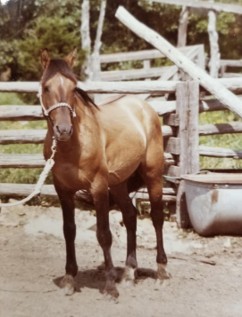 The contamination and extermination of feral Spanish horse genetics were promoted. Today, due to this extermination campaign, pure Spanish horse genetics are hard to come by in North America. However, their genetics can be traced back in many of today's breeds. However, many of the pure strains were single horses, not lineages, making genetic tracking more difficult to follow.
Nearly every color of horse is found in this breed, including leopard spots and paints. Spanish horse genetics is the source of paints, pintos, and appaloosas, as well as gaited horses and many stock horses. North American Colonial Spanish horses usually stand between 13 and 15 hands and weigh between 700 and 800 pounds. Slight convexity is the classic head shape of Spanish horses; however, some are on the straighter end of the scale. The muzzle is commonly narrow and fine with small, crescent nostrils. These horses have narrow but deep chests, allowing for a large lung capacity and improved cooling abilities. Withers tend to be long and defined; however, hindquarters can vary in muscularity. These horses also have a low-set tail compared to many other breeds.
The North American Spanish Colonial horses have small, upright hooves, lending them the ability to have other gaits as opposed to just the usual trot. These genetics can be seen in many of today's gaited horses, such as many Paso Fino breeds and Tennessee Walking horses.
The Spanish Colonial horses are known for their gentle temperament and desire to form a strong bond with their owners. Not to mention their athleticism and versatility when riding. They are used in a variety of disciplines, from ranch work to pleasure riding and even endurance riding.
Photo Notes and Credits: Johnson-Yates North American Spanish Colonial horse, provided by Justin Johnson
References:
Colonial Spanish Horse - The Livestock Conservancy. (2025, January 8).D. Phillip Sponenberg, DVM, PhD, Virginia-Maryland Regional College of Veterinary Medicine, Virginia Tech, Blacksburg, VA 24061. (2011, July).